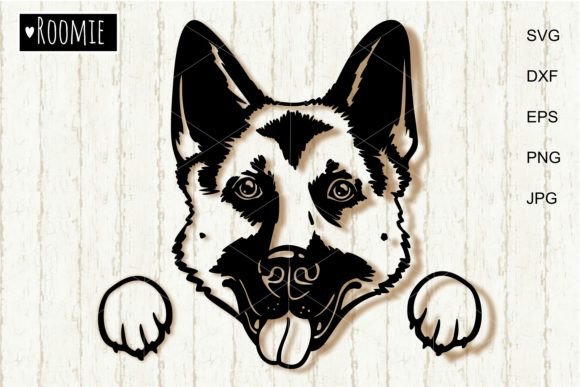
German Shepherd Dog SVG – A Designer's Field Test
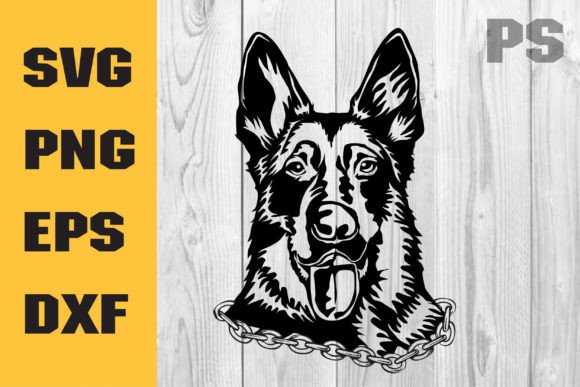
When I first opened German Shepherd Dog Svg, Shirt Design, I was looking for a machine embroidery design that could handle both custom apparel and handmade product requests without losing its character. I run a small shop focused on personalized gifts and boutique merchandise, and dog owners are some of the most loyal repeat customers you can get. A well-executed German shepherd design can sell itself if the artwork holds up in real stitching. After working with this digital embroidery file across several projects, I want to share what works, where to be cautious, and how this design performs when you move it from the screen to the hoop.
First Impressions and Visual Personality
The hand-drawn quality of this embroidery design is immediately noticeable. It has a sketch-like confidence that feels natural rather than stiff. The German shepherd's profile is clean enough for a satin stitch outline but detailed enough to capture the breed's alert ears and strong muzzle. That balance is rare in many digital embroidery files. The mood here is warm and appreciative — this is clearly made for shepherd lovers who want something that looks like art, not a clip-art silhouette. For an embroidered patch or a sweatshirt embroidery project, that personality matters. Customers buying a handmade product with this design are often looking for a gift that shows they know the breed, not just a generic dog shape.
Real Project Use: The Custom Tote Bag Test
I decided to test German Shepherd Dog Svg, Shirt Design on a medium-weight canvas tote bag. These are popular in my Etsy shop as personalized gifts for dog owners, and they need to withstand regular use. I hooped the bag with a tear-away stabilizer and used a medium-weight cutaway for extra stability on the canvas. The design stitched out cleanly with a fill stitch for the main body and a satin stitch for the outline. I kept thread colors straightforward — a rich brown for the shepherd's coat, black for the nose and ear accents, and a warm cream for the chest markings. The hand-drawn feel translated beautifully. The stitching lines followed the original sketch without distorting, and the stitch density felt appropriate for a tote bag that would see grocery runs and library visits. My client ordered it as a gift for her German shepherd's trainer, and she specifically mentioned that the design looked "like a real drawing, not a cartoon." That kind of feedback tells me this embroidery file has genuine commercial viability.
Performance Across Different Products
Over several weeks, I used this design on a variety of finished products to see where it shined and where it needed adjustment. Here is what I observed across common categories in a craft business:
- Custom apparel — sweatshirts and t-shirts: On a quality ring-spun cotton sweatshirt, the design embroidered smoothly. The hand-drawn lines kept their integrity even on slightly stretchy fabric. I used a medium-weight cutaway stabilizer and a light tacking spray, and the design did not pull or pucker. This would work well for small shop merchandise aimed at dog owners who want understated, wearable art.
- Baby clothes and nursery decor: I tested a smaller version of German Shepherd Dog Svg, Shirt Design on a baby onesie and a small pillow cover. The detail level held up at a reduced scale, but I recommend testing the stitch density on a scrap piece of similar fabric first. Baby items need soft backing, and the design's fill stitch areas are moderate enough that they do not create a stiff patch. For a holiday gift like a personalized baby blanket or a nursery embroidery project, this design adds a thoughtful, custom touch without overwhelming the garment.
- Caps and hats: Curved surfaces like caps require special attention. This design has some fine detail in the ear area that could get lost on a front cap panel if the hoop size is too small. I would recommend using a cap frame and a stable stitch count. The design's layout is compact enough for a cap if you size it appropriately, but I would test it on a practice cap before offering it as a finished product.
- Embroidered patches and appliques: This embroidery file works well as a standalone patch. The hand-drawn outline lends itself to a satin stitch border, and the internal detail areas can be managed with a combination of fill stitch and running stitch accents. For craft fair products or boutique branding, a patch version of this design could be sewn onto aprons, kitchen towels, or canvas bags.
- Kitchen towels and linens: I tested this design on a linen tea towel as a holiday embroidery project. The fabric was lightweight, so I used a water-soluble stabilizer on top to prevent the stitches from sinking. The design stitched clearly, and the thread colors popped against the natural linen. This would make a thoughtful personalized gift for a dog-loving friend or family member.
Where to Use This Design Carefully
No digital embroidery file is perfect for every surface, and German Shepherd Dog Svg, Shirt Design has a few areas that deserve attention before you commit to a final project.
- Small hoop sizes: If you are working with a very small hoop, the detail in the dog's face may become too compressed. The hand-drawn lines need room to breathe. I would not recommend hooping this design below about four inches in the largest dimension unless you test it thoroughly on scrap fabric first.
- Textured or very stretchy fabrics: Fabrics with a loose weave or high stretch can cause the fill stitch areas to distort. I used a cutaway stabilizer for most projects and a fusible knit interfacing on particularly stretchy t-shirt knits. The design's stitch density is moderate, but it still requires proper stabilization to keep the shepherd's profile crisp.
- Dark fabrics: The design relies on subtle contrast in the dog's coat markings. On very dark fabrics, you will need to choose thread colors carefully. A light gray or cream thread for the chest area and a dark brown or black for the main body can work, but you lose some of the hand-drawn shading if the contrast is not there. Test a black and white mockup of your thread palette before stitching.
- Dense stitch areas and decorative accents: The ear detailing and the area around the muzzle have some dense stitching. On lightweight fabrics, this could cause the design to feel stiff. If you are making a baby gift or a lightweight garment, consider reducing the stitch density slightly in your embroidery software, or use a softer fill stitch pattern.
Visual Appeal, Product Value, and Customer Trust
In my experience running a small shop and selling on Etsy, the visual personality of a design directly affects how customers perceive the value of a finished product. German Shepherd Dog Svg, Shirt Design has a handcrafted feel that reads as thoughtful and intentional. When I listed a tote bag with this embroidery in my shop, it attracted more clicks and saved to favorites compared to my previous dog-themed products. Buyers tend to trust a handmade product that looks like it was designed by someone who cares about the subject. The design's authentic sketch quality signals to shepherd owners that this was made for them, not mass-produced. That builds brand consistency and recognition over time. For a craft business, that kind of customer engagement is invaluable.
Practical Designer Notes Before You Stitch
Before you use German Shepherd Dog Svg, Shirt Design in a commercial embroidery project or a personalized gift, I recommend taking a few practical steps based on my testing:
- Test on scrap fabric first. I always test a new embroidery file on a piece of fabric that matches my final project's weight and weave. This design behaves well, but every machine and stabilizer combination is slightly different.
- Check thread color contrast. The hand-drawn look depends on clear separation between the dog's coat, ears, and chest markings. I suggest testing two or three thread palettes and viewing them in natural light before deciding.
- Review stitch density in your software. If you have access to embroidery digitizing software, open the file and check the stitch count and density. If the design feels too dense for your intended fabric, adjust it or choose a different stabilizer.
- Confirm hoop size. Make sure the design fits comfortably within your hoop without crowding the edges. Leave at least half an inch of clearance for proper fabric tension.
- Test in black and white mockups. Before stitching, preview the design in grayscale to see how the shading reads. This helps you spot areas where the detail might get lost on a light or dark background.
- Check licensing for commercial use. This design is offered as digital files for laser and vinyl cutting, sublimation, stickers, cards, invitations, embroidery, logos, decor, t-shirts, and more. If you plan to sell finished products or digital products based on this file, confirm the license terms with the seller. Some digital embroidery files allow unlimited commercial use of physical items, while others restrict certain sales channels.
- Use proper stabilizer for your fabric type. For most cotton and poly-cotton blends, a medium-weight cutaway stabilizer worked well. For lightweight fabrics, I added a water-soluble topper to keep the stitches from sinking.
A quick note on file formats: the product description mentions that this is suitable for laser cutting, vinyl cutting, sublimation, stickers, cards, invitations, embroidery, logos, decor, t-shirts, and overlays. If you are using it as a machine embroidery design, make sure you have the correct file format for your embroidery machine (such as PES, DST, or EXP). If the file does not come with an embroidery-specific format, you may need to convert it using digitizing software.
Final Thoughts for Makers and Small Shop Owners
German Shepherd Dog Svg, Shirt Design is a versatile and visually appealing embroidery file that works across a wide range of handmade products. Its hand-drawn character gives it an authentic feel that resonates with dog owners looking for something beyond a generic animal shape. In my own craft business, it has performed well on custom apparel, tote bags, embroidered patches, and home decor items. The design is detailed enough to impress but clean enough to stitch reliably on most fabric types. As with any digital embroidery file, testing is essential, but this design has earned a spot in my regular rotation for client projects and small shop merchandise. If you work with shepherd-loving customers or want to add a thoughtful, profitable design to your product lineup, this one is worth a close look.