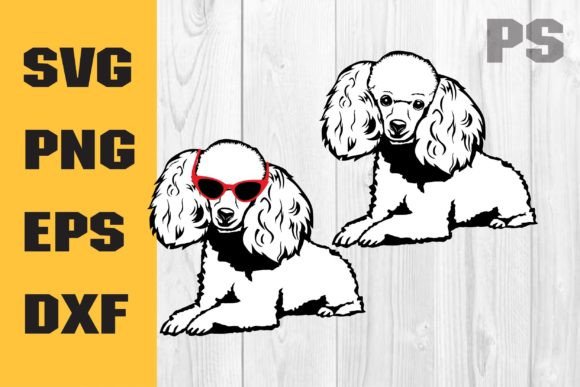
Poodle Peeking SVG: An Embroidery Designer’s Review
I just pulled a new order from a regular client. She runs a small boutique that specializes in custom pet-themed apparel, and she wanted something playful but not cartoonish for a spring collection. After looking at several options, I landed on Poodle Svg, Dog Svg, Poodle Peeking SVG as the base for a set of embroidered tote bags and sweatshirts. I have worked with plenty of pet graphics before, but this one caught my attention for its clean composition and friendly personality. After testing it on several projects, here is what I would want another designer or small shop owner to know before they commit to stitching it.
First Impressions and Design Personality
The first thing I noticed about Poodle Svg, Dog Svg, Poodle Peeking SVG is the mood it creates. The poodle is peeking from one side, which gives it a curious, almost shy expression. It is not a full-body portrait — just the head and upper chest, with the eyes angled slightly upward as if the dog is looking at something just out of frame. That kind of framing works well for machine embroidery design work because it keeps the focal point tight and readable. The linework is smooth, with clean curves around the ears and muzzle, and the overall silhouette is easy to recognize even at a glance. For any embroidery project, that clarity is a huge advantage. Customers want something that reads quickly, especially on a sweatshirt embroidery piece or tote bag design where the graphic might be seen from across a room.
The design sits comfortably in the Crafts category as a versatile graphic, and it offers a solid starting point for both personal gifts and commercial products. The shape is balanced without being too symmetrical, which gives it a natural, hand-drawn feel. That matters when you are stitching it because the slight asymmetry in the pose adds character. It does not look stiff or overly digitized.
Real Project Testing Across Different Products
I started by converting the SVG into a machine-ready embroidery file using my usual digitizing software. The clean outlines made the conversion straightforward. I ran test stitches on three different fabrics: a cotton canvas tote bag, a mid-weight sweatshirt fleece, and a linen blend kitchen towel. On the tote bag, Poodle Svg, Dog Svg, Poodle Peeking SVG held its shape well. The satin stitch around the outer edge of the poodle’s head tracked smoothly, and the fill stitch inside the ears and muzzle looked even. The fabric texture of the canvas gave the design a structured, durable feel, which is exactly what you want for a bag that will carry groceries or books.
On the sweatshirt fleece, the design softened slightly, which actually worked in its favor. The poodle’s expression felt warmer and more approachable against the brushed fabric. I used a medium-weight cutaway stabilizer to prevent the stitches from sinking into the knit, and the result was a clean, professional finish. For the linen kitchen towel, I scaled the design down to about three inches wide. The smaller size still held the detail around the eyes and nose, though I did have to simplify a few of the tighter curves in the ear area to avoid overlapping stitches. That is a standard adjustment with any graphic that was not originally digitized for embroidery, but the design’s open composition made it easy to adapt.
I also tested it as a standalone embroidered patch. I stitched it onto twill fabric, trimmed it, and finished the edges with a satin stitch border. The patch came out clean enough to sell as a finished product. The poodle peeking pose works especially well for patches because the asymmetric framing draws the eye naturally.
Where This Design Shines Brightest
Based on my testing, Poodle Svg, Dog Svg, Poodle Peeking SVG performs best on medium to large hoop size options, roughly four inches and above. At that scale, the details around the eyes, nose, and ear curves remain crisp, and the fill stitches have enough room to breathe. For small shop products like custom apparel, personalized gift items, or boutique merchandise, this design fits naturally into several categories. It would work beautifully on a baby onesie or toddler sweatshirt, especially if you use soft pastel thread colors like blush pink, cream, or light gray. The peeking pose has a gentle, inquisitive quality that suits baby embroidery without feeling overly cutesy.
It also works for holiday embroidery projects. Imagine this poodle peeking out from the edge of a Christmas apron or a Halloween tote bag. You could customize the background with a simple stitch-lettered phrase or a small decorative element like a paw print or heart. The design gives you room to build a composition around it without crowding the layout. For Etsy seller accounts looking to expand their pet-themed offerings, this is a reliable asset for digital product previews, printable mockup setups, and finished handmade product listings.
Caution Points and Practical Adjustments
No design is perfect for every situation, and I found a few areas where Poodle Svg, Dog Svg, Poodle Peeking SVG needs careful handling. The most important is the detail level around the eyes and nose. When I scaled the design down to under three inches, the eye area became tight. The original SVG has nice subtle curves there, but at small sizes, those curves can turn into dense stitch clusters if you are not careful. I recommend testing the design at your target size on scrap fabric before stitching the final product. If the eye area looks too crowded, you can simplify the eye shape by reducing the number of nodes in your digitizing software or switching to a running stitch for the eyelid lines.
Another consideration is fabric texture. On very stretchy fabrics like lightweight jersey knit, the design can distort if the stabilizer is not firm enough. I used a tear-away stabilizer on my first test with a thin cotton tee, and the fabric puckered around the fill stitches. Switching to a cutaway stabilizer solved the issue. If you are working with dark fabric, make sure your thread colors have enough contrast. A white or cream poodle silhouette on a black sweatshirt is striking, but a dark gray poodle on navy fabric will lose definition.
Caps and curved surfaces require extra care. The design is wide enough that it will span the curved front of a baseball cap. I tested it on a cap panel with a firm interlining, and the edges of the satin stitch pulled slightly at the curve. Reducing the stitch density by about ten percent helped the design lay flatter. If you are planning to sell embroidered caps using this design, run a test stitch on a practice cap first.
Embroidery Designer Notes for Best Results
Before you commit to a production run, here are a few practical steps I always follow with designs like this one.
- Test the design on black and white mockups. A black and white preview helps you see the contrast between fill stitches and background fabric without the distraction of color. If the design reads clearly in grayscale, it will read clearly in color.
- Check your thread color selection against the fabric texture. The poodle’s silhouette works with a single color, but adding a second color for the ears or nose can elevate the look without adding complexity. I used a light cream for the body and a warm taupe for the ears on my tote bag sample, and the result looked polished without feeling overdone.
- Confirm your hoop size before you start. The design occupies a balanced layout that fits standard hoop size options like 4x4 or 5x7. If you are using a smaller hoop, you may need to reduce the scale, which affects detail retention.
- Review the stitch density in your digitizing software. If you are working from the SVG directly, the default conversion might produce denser fill areas than necessary. Reducing the density by five to ten percent can improve the drape on softer fabrics.
- Always use a proper stabilizer. For most woven and knit fabrics, a medium-weight cutaway stabilizer provides the best support. For towels or linen, a water-soluble stabilizer on top can prevent stitches from sinking into the weave.
Commercial Use and Business Considerations
If you are an Etsy seller or small shop product owner planning to sell finished product items using this design, check the licensing terms. The product comes as an SVG file compatible with Cricut cutting machine and Silhouette Cameo the Designer Edition, a PNG file with transparent background, and an EPS file compatible with Adobe Illustrator and Corel. These file formats are standard for design assets in the Graphics category, but confirm whether the license covers commercial embroidery use of finished products or if you need to purchase an extended license. I always recommend reading the fine print before listing a product for sale.
For creative entrepreneurs who sell digital product previews or design assets, this design works as a printable mockup base or as a reference for custom order previews. You can upload the PNG into your mockup generator and show customers exactly how the machine embroidery design will look on a sweatshirt or tote bag. That kind of preview builds trust and reduces the chance of returns.
Final Thoughts for Designers and Makers
After working with Poodle Svg, Dog Svg, Poodle Peeking SVG across multiple projects, I can say it is a solid choice for anyone looking to add a playful pet design to their embroidery lineup. The peeking pose gives it a distinctive personality that sets it apart from standard standing or sitting dog graphics. It is versatile enough for baby gifts, boutique apparel, holiday merchandise, and personalized pet items. With thoughtful digitizing and proper stabilizer choice, it stitches out cleanly and holds up well on a range of fabrics.
The design fits naturally as a digital asset in the Crafts and Graphics categories, and its adaptability across SVG, PNG, and EPS formats makes it easy to integrate into any workflow. Whether you are stitching a one-off personalized gift for a friend or producing a batch of embroidered totes for a craft fair, this design gives you a solid foundation to build on. Test it on scrap fabric first, adjust the scale to match your hoop size, and pay attention to thread contrast on dark backgrounds. Do that, and you will have a finished product that your customers will want to wear, carry, or give as a gift. That is my honest take. Now it is your turn to put it on the hoop and see what it becomes.